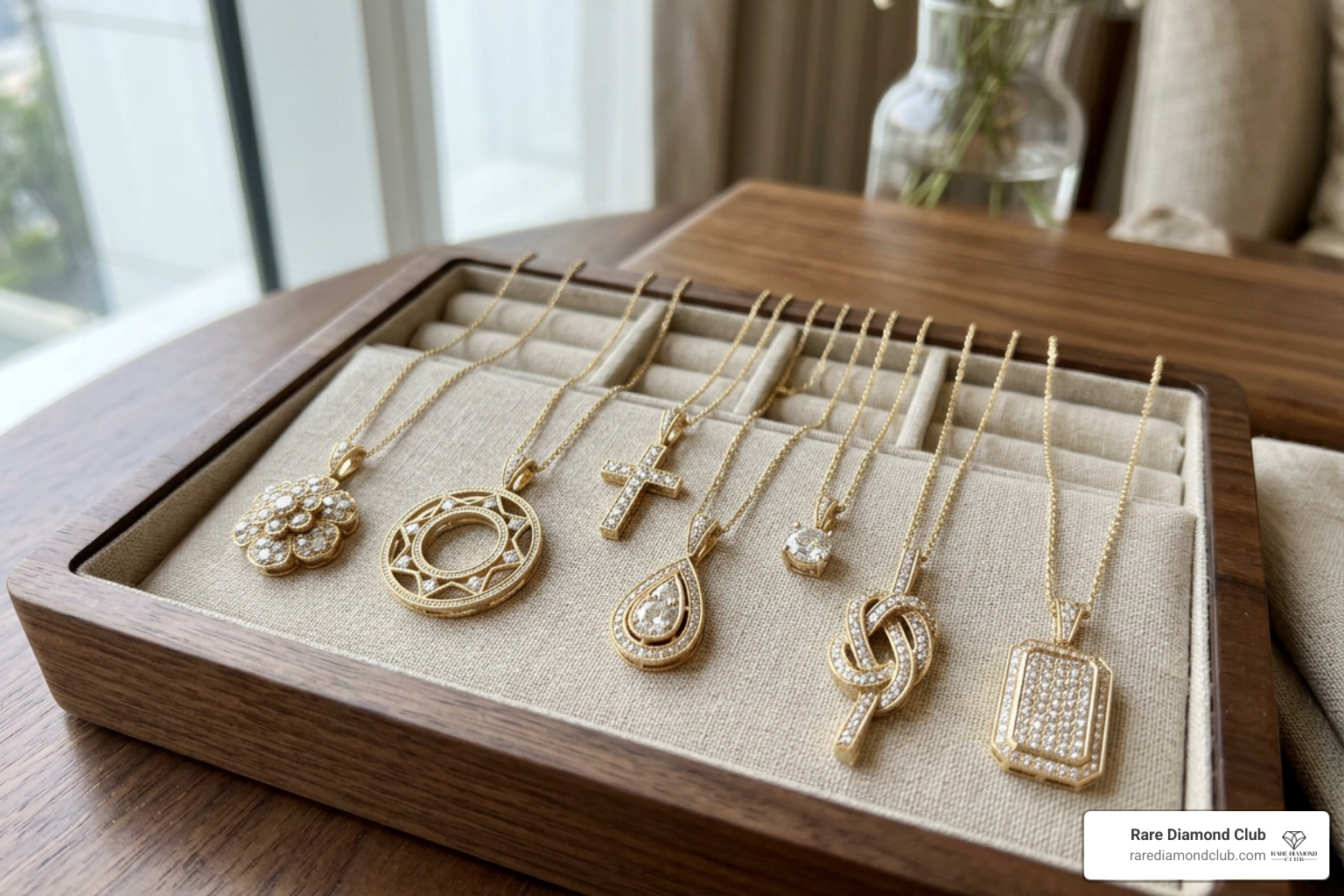
When deciding between gold purities for fine jewelry, the core difference lies in the exact ratio of pure gold to alloy metals. Pure gold (24kt) is naturally soft, dense, highly malleable, and prone to surface scratching, making it unsuited for setting precious diamonds securely on its own. To create durable, long-lasting fine jewelry pieces, pure gold is alloyed with foundational strengthening metals such as copper, silver, nickel, or zinc.
An 18kt gold diamond pendant consists of 75% pure gold and 25% alloy metals. This specific metal balance yields a noticeably deeper, warmer, and more vibrant saturated tone than 14kt gold, which contains 58.3% pure gold and 41.7% alloy metals. The higher pure gold content in 18kt gold produces a richer color profile—particularly pronounced in traditional yellow gold settings—that dramatically enhances the visual prestige, warmth, and luxury feel of fine neckwear.
Beyond visual aesthetics and tone, gold purity directly impacts skin sensitivity and hypoallergenic comfort. Because 18kt gold contains a substantially lower percentage of base alloy metals, it is far less likely to cause allergic contact dermatitis or skin irritation in individuals with sensitivities to nickel or trace metal additives.
While 14kt gold offers slightly higher surface hardness due to its elevated base alloy proportion, 18kt gold provides exceptional structural integrity and ample durability for neckwear. Pendants experience significantly less direct surface contact, high-impact friction, and mechanical abrasion than rings or bracelets encounter during everyday wear. This reduced physical wear profile makes an 18kt gold diamond pendant an ideal, reliable choice for everyday luxury and enduring brilliance.
| Feature / Metric | 14kt Gold Diamond Pendant | 18kt Gold Diamond Pendant |
|---|---|---|
| Gold Purity Content | 58.3% Gold (14/24 parts) | 75.0% Gold (18/24 parts) |
| Metal Alloys | 41.7% Silver, Copper, Nickel, Zinc | 25.0% Silver, Copper, Nickel, Zinc |
| Color Saturation | Subtle, lighter tone | Rich, deep yellow or warm hue |
| Hypoallergenic Risk | Moderate (higher alloy content) | Extremely low (hypoallergenic) |
| Wear Profile | High impact resistance | High stability, low friction exposure |
| Relative Value | Practical everyday option | Premium quality and high gold value |
Essential Diamond Selection Criteria for Pendants
Selecting the ideal centerpiece gemstone for an 18kt gold diamond pendant requires balancing the universal 4Cs of diamond grading established by institutions like the Gemological Institute of America: Cut, Clarity, Color, and Carat Weight. Unlike engagement rings, which are routinely examined close up, neck pendants are primarily viewed from a conversational distance. Prioritizing diamond cut brilliance and eye-clean clarity allows you to maximize visual impact while staying strategically within your target budget.
Evaluating Cut and Clarity in an 18kt Gold Diamond Pendant
Cut quality is the primary factor determining a diamond's overall sparkle, fire, and light performance. An ideal or excellent cut proportion ensures that ambient light entering the top table of the diamond reflects internally and refracts back through the crown rather than leaking out through the sides or pavilion. Even a diamond with flawless clarity can appear dull, dark, or lifeless if the cut proportions and symmetry are poorly proportioned.
For clarity, fine jewelry experts recommend seeking "eye-clean" diamonds—stones completely free of internal inclusions or surface blemishes visible to the unaided eye. Diamonds in the VS1 to VS2 (Very Slightly Included) range offer an optimal balance of visual perfection and economic value, ensuring no noticeable internal characteristics interfere with brilliant light transmission.
Carat Weight and Color Matching for Gold Settings
Color grading measures a natural diamond's lack of body color on a standardized scale from D (Colorless) down to Z (Light Yellow or Brown). When setting a gem in an 18kt gold diamond pendant, the choice of metal tone significantly influences how the diamond's intrinsic color appears:
- 18kt Yellow or Rose Gold: The natural warm reflections of the yellow or rose metal complement diamonds in the G to H near-colorless grade range. These stones display a crisp, brilliant white appearance to the observer, making it unnecessary to pay a steep price premium for D–F colorless stones.
- 18kt White Gold: Luminous white gold highlights colorless and near-colorless diamonds with high intensity. A G/H color grade combined with VS clarity provides a bright, icy center stone that remains remarkably vibrant against the rhodium-plated setting.
Carat weight dictates the physical millimeter dimensions and visual presence of the gem. For classic solitaire pendants, diamonds between 0.50 and 1.50 carats serve as versatile standards for daily wear, whereas larger carats or intricate halo mountings make striking statements for formal occasions.
Popular Styles and Mountings for Diamond Pendants
The mounting frame securely anchors the diamond while defining the overarching architectural aesthetic of the neckpiece. Beyond retaining the stone, the mounting dictates how much light enters the diamond's facets and how comfortably it sits against the chest. For deep insights on expanding and maintaining your collection, explore our Blogs News for expert fine jewelry guides.
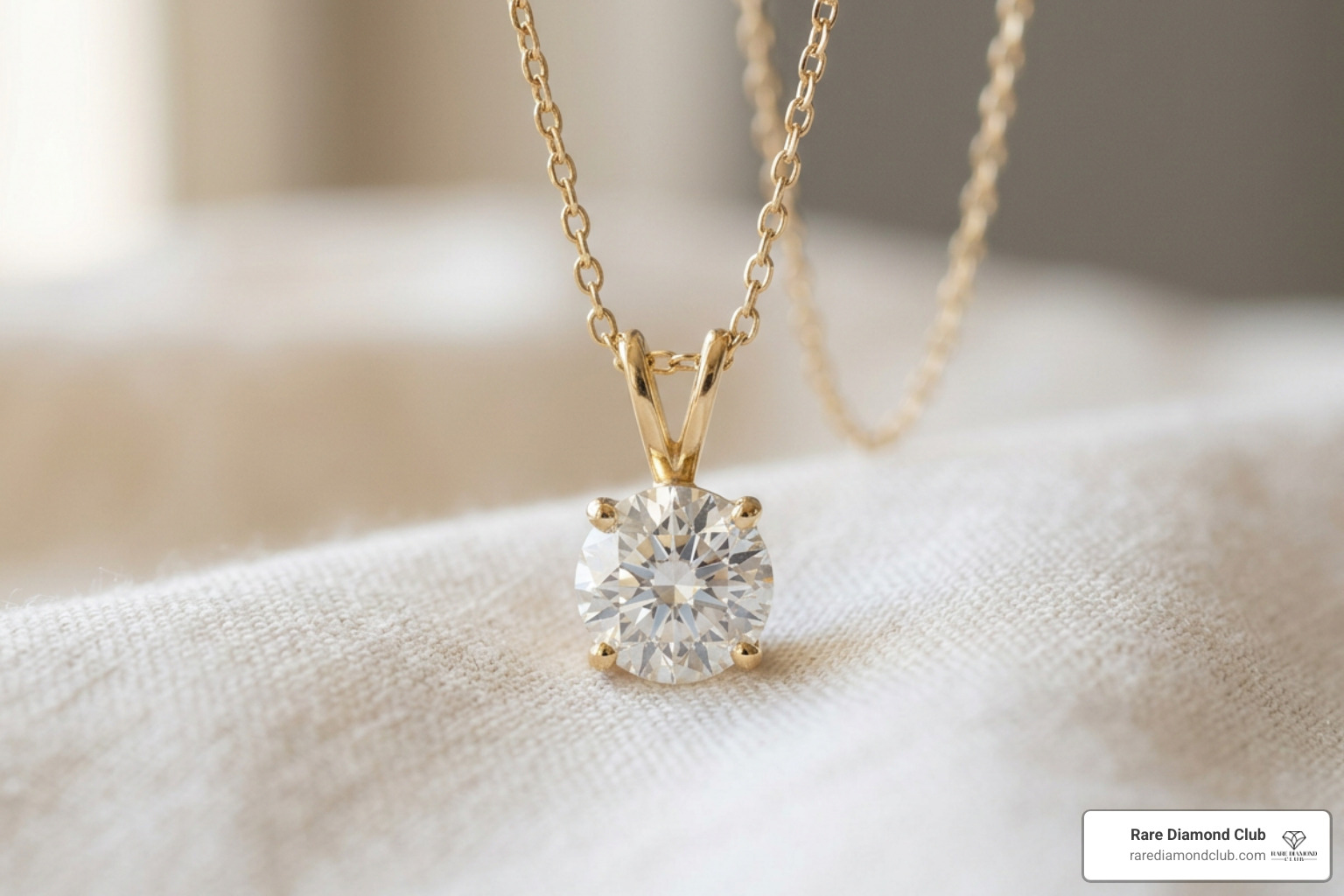
Classic Solitaire and Halo 18kt Gold Diamond Pendant Designs
Distinct pendant mounting styles cater to diverse personal tastes and wardrobe needs:
- Solitaire Pendants: A classic, iconic choice that focuses entirely on a single diamond center stone. Solitaires allow maximum light exposure from all angles, fully accentuating the gem's natural brilliance and fire.
- Halo Pendants: Featuring a central gem framed by a glowing border of micro-pavé diamonds, halo designs dramatically amplify visual scale, creating the impression of a larger center carat while adding extra sparkle.
- Vintage Motifs: Incorporating delicate milgrain borders, openwork filigree, or bold geometric Art Deco lines, vintage-inspired pendants offer romantic charm and intricate artistic craftsmanship.
Setting Selection and Structural Durability
The physical construction of the diamond mounting directly impacts long-term wearability:
- Prong Settings (3-Prong, 4-Prong, 6-Prong): These designs minimize metal coverage to optimize light entry. A four-prong basket setting achieves an ideal balance between maximum light entry and solid structural protection.
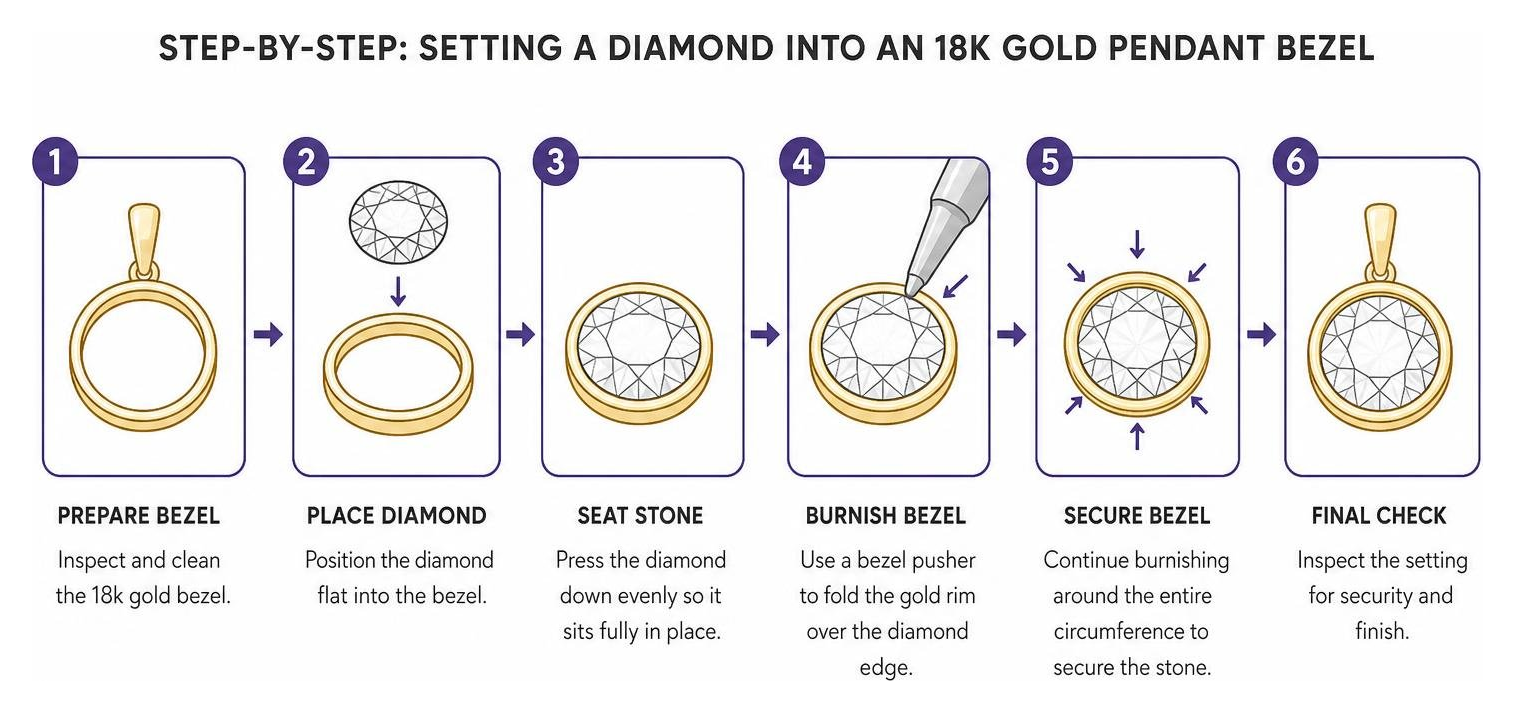
- Bezel Settings: Bezel mountings encircle the diamond's perimeter with a sleek rim of solid 18kt gold. Bezels provide exceptional protection against accidental snags or physical impacts, making them optimal for active lifestyles.
- Chain and Clasp Pairing: An 18kt gold diamond pendant should always be paired with a durable, matching 18kt chain (such as a cable, wheat, or sturdy box chain) secured with a dependable lobster claw clasp.
Pricing, Authenticity, and Occasions for Gifting
The investment cost of an 18kt gold diamond pendant typically spans from $500 to well over $5,000, depending on center diamond carat weight, clarity grade, cut precision, and the intricate craftsmanship of the gold setting.
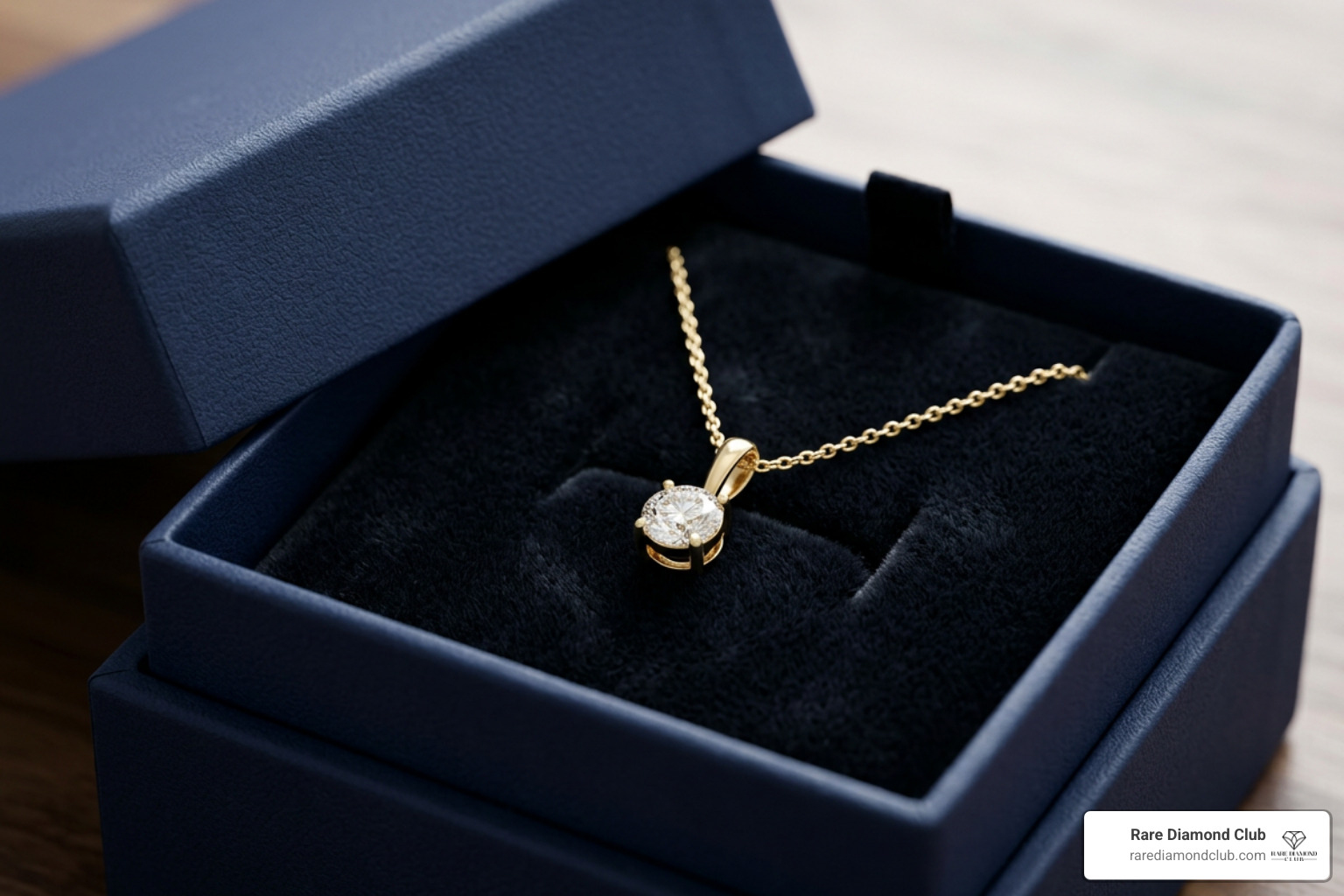
Several key factors directly dictate the total retail price point:
- Gold Weight & Custom Craftsmanship: Raw precious gold market value combined with specialized custom design labor and metal casting dictates the base setting cost.
- Diamond 4Cs Quality: Cut precision, carat weight, clarity rating, and color grade account for the majority of the finished piece's value.
- Customization Details: Made-to-order design features, intricate halo micro-pavé work, or specialized hand engraving influence final production costs.
Authenticity is easily verified through standardized hallmark stamps and independent documentation. Genuine 18kt gold fine jewelry is engraved with official stamps such as "18kt", "750" (denoting 75.0% pure gold purity), or recognized national assay marks. Furthermore, high-grade diamonds should come accompanied by detailed independent grading certificates.
As a thoughtful gift, fine diamond neckwear holds profound sentimental resonance. Comprehensive industry market research reveals that approximately 45% of fine jewelry buyers rank diamond pendants as their top preferred fine jewelry gift choice, while 78% view them as timeless heirlooms suited for celebrating key milestones, wedding anniversaries, and major achievements.
Frequently Asked Questions About Gold Diamond Pendants
How do I clean and maintain an 18kt gold pendant?
To clean your 18kt gold diamond pendant safely at home, submerge the piece in a small container filled with warm water and a few drops of mild, lotion-free dish detergent. Allow it to soak for 10 to 15 minutes to break down skin oils and dirt. Gently scrub around the prongs, basket, and diamond pavilion using an ultra-soft toothbrush. Rinse thoroughly under lukewarm running water and pat dry using a clean, lint-free microfiber cloth. Never use harsh household chemicals, bleach, or abrasive pads on fine gold.
Can I wear an 18kt gold diamond pendant every day?
Yes, an 18kt gold diamond pendant is exceptionally well suited for everyday wear. Because pendants hang suspended against the chest, they encounter significantly less hard contact and abrasive wear than rings or bangles. However, to preserve the metal's high-grade luster and keep the diamond brilliant, remove your pendant before swimming in chlorinated pools, applying perfumed body lotions or sprays, or engaging in high-impact physical exercises.
How can I verify the authenticity of my pendant?
First, examine the jewelry for an official hallmark stamp such as "18kt" or "750" stamped neatly on the pendant bail, setting back, or chain clasp. Secondly, ensure your purchase includes an independent laboratory grading report confirming the center stone's verified cut, clarity, color, and carat weight parameters. Buying directly from established fine jewelers guarantees certified gold metal purity and verified diamond authenticity.
Conclusion
Choosing an 18kt gold diamond pendant guarantees a balance of rich precious metal luster, lasting physical durability, and refined elegance. Whether you prefer a clean solitaire setting or an intricate halo layout, selecting high-quality materials ensures your piece remains a cherished personal signature.
At Rare Diamond Club, we craft bespoke fine jewelry using custom made-to-order designs, premium 18kt gold, platinum, and exceptional G/H VS diamonds tailored to your exact standards.
Connect with Fine Jewelry Specialists today to design your custom 18kt gold diamond pendant.