


Selecting a 1 ct diamond solitaire necklace involves striking a refined balance between setting structure, security, and maximum stone performance. A single carat is a major benchmark in fine jewelry; it is large enough to showcase minute details in setting workmanship and individual stone quality. Because a 1 ct pendant sits right at the visual center of your attire, every detail from prong geometry to metal purity contributes to its presence.
For 2026 jewelry styling, solitaire pendants remain especially versatile because they bridge everyday refinement and formal luxury without relying on trend-heavy design details. A well-proportioned one-carat diamond can be worn alone as a clean signature piece or layered with fine chains at different lengths for a more contemporary look. This makes the technical choices behind the necklace even more important: the right setting should protect the stone, frame it elegantly, and allow enough light return to keep the diamond lively in daylight, office lighting, and evening settings.
| Feature | Key Consideration | Best Suited For |
|---|---|---|
| Bezel Setting | Encases stone rim completely | Active lifestyles, maximum security, modern look |
| Prong Setting (4 or 6) | Uses minimal metal clips | Maximum light entrance, classic brilliance |
| 10kt Gold | Durable alloyed gold, accessible price point | Budget-conscious everyday wear |
| 18kt Gold / Platinum | High purity, hypoallergenic, premium feel | Luxury finish, long-term heirloom longevity |
| Cable Chain | Interlocking uniform ovals | Classic aesthetics, dependable strength |
| Rope Chain | Intertwined metal segments | High durability, rich texture |
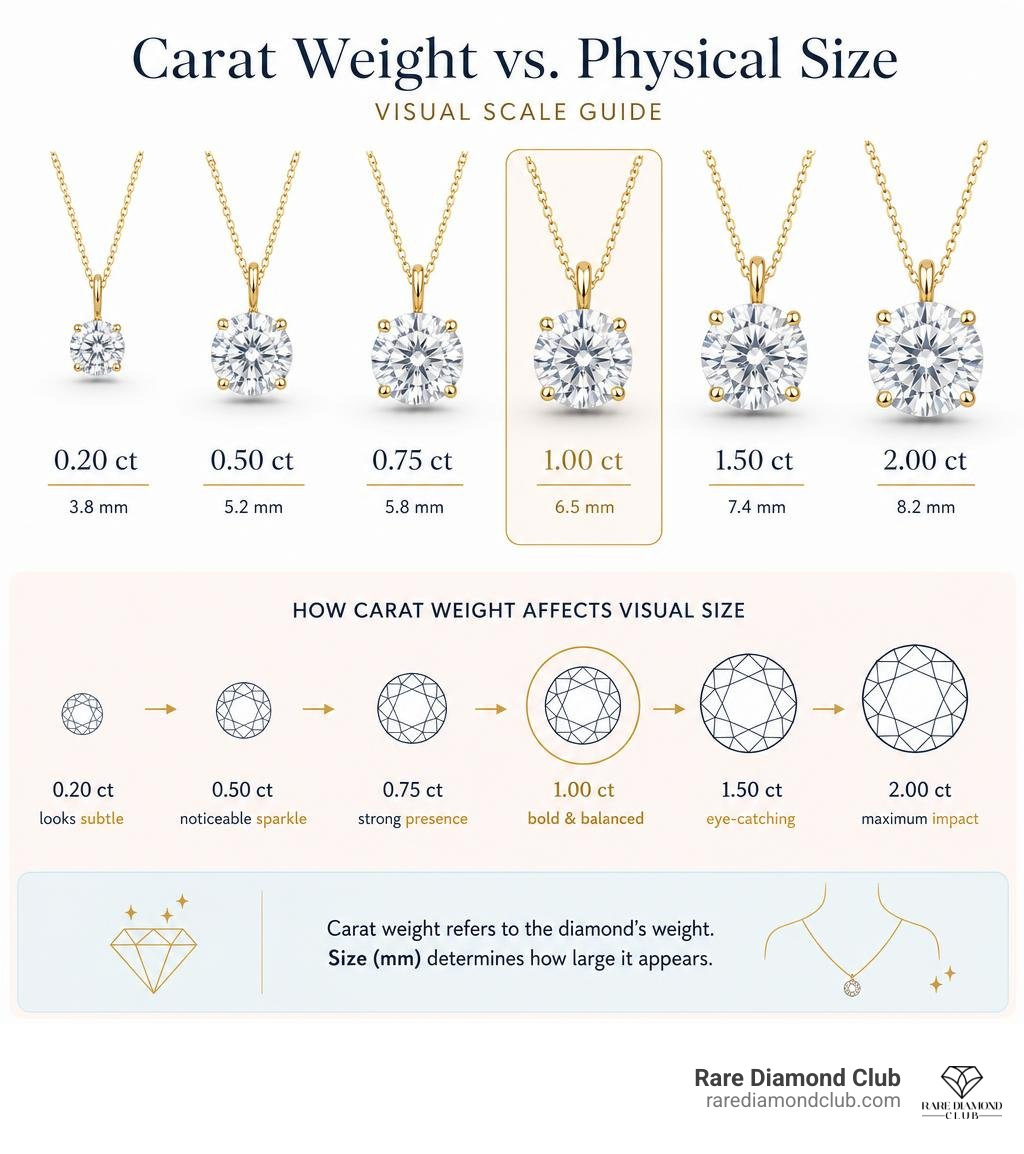
Carat weight strictly measures a diamond's mass (1 carat = 200 milligrams or 100 points), but its actual physical diameter depends heavily on cut proportions. A standard, brilliantly cut round 1 ct diamond should measure approximately 6.4 mm to 6.5 mm across its table. If a stone is cut too deep, significant carat weight is hidden beneath the basket setting, making it look visually smaller than a properly proportioned 1 ct stone. Conversely, a stone cut too shallow will suffer from light leakage, creating a dull performance rather than vibrant fire and scintillation.
Diamond Color and Clarity Standards for a 1 Ct Diamond Solitaire Necklace
Because a 1 ct diamond has a substantially larger top surface area than a 0.20ct or 0.50ct stone, structural inclusions and subtle body color are far more noticeable to the naked eye. Understanding clarity and color grades allows you to select a stone that sparkles with intense brilliance without paying extra for microscopic metrics undetectable outside a gemological laboratory.
At Rare Diamond Club, we always recommend prioritizing cut precision first, followed by an eye-clean clarity grade. While smaller accent stones in lower-tier commercial jewelry may use more commercial clarity and color grades to keep price points down, a focal 1 ct pendant benefits immensely from higher refinement.
- Clarity: For a solitaire stone of this scale, an I2 clarity grade features heavy inclusions that are visible to the naked eye and actively impede internal light refraction. Opting for a VS (Very Slightly Included) clarity grade ensures the diamond has no eye-visible blemishes, giving you a brilliant, crystal-clear center stone under all lighting conditions.
- Color: Color grades in the HI range present a warm, near-colorless appearance. If set in yellow gold, an H or I color stone looks remarkably white against the warm reflective background of the precious metal. However, if your preference leans toward white gold or platinum, selecting higher color grades (such as G or H) maintains a crisp, icy contrast that emphasizes the diamond's brilliance.
Metal Selection and Chain Styles for Your 1 Ct Diamond Solitaire Necklace
The metal frame surrounding your diamond dictates both its long-term structural integrity and its overall aesthetic profile.
- Yellow Gold (10kt, 14kt, 18kt): Warm-toned metals remain timelessly iconic. While 10kt yellow gold provides an accessible entry point with strong everyday durability due to its alloy composition, 18kt yellow gold offers a rich, deep hue ideal for luxury fine jewelry designs.
- White Gold & Platinum: These silvery metals enhance the icy brilliance of a high-grade center stone. Platinum is naturally dense, durable, and hypoallergenic, making it exceptionally reliable for holding high-value center diamonds securely over decades.
- Rose Gold: Offers a romantic, vintage-inspired tone that complements a wide variety of skin tones beautifully.
For the chain, daily wear requires balancing visual delicate grace with mechanical strength. A 45cm chain length is the industry standard for solitaire pendants, positioning the diamond cleanly near the collarbone. Cable and rope chains remain top choices: a rope chain provides high structural durability to prevent accidental snaps, while a delicate cable chain keeps visual focus purely centered on the diamond itself.
Comparing 1 Ct Diamond Solitaire Necklaces: Carats, Origins, and Costs
Understanding visual scaling and origin options helps clarify where your budget is best allocated. Smaller diamonds—such as a 1/5ct diamond solitaire bezel necklace in 10kt yellow gold—offer a subtle, understated sparkle perfect for casual minimalist layering. However, stepping up to a 1 ct diamond delivers dramatically more light capture, fire, and commanding neck presence.
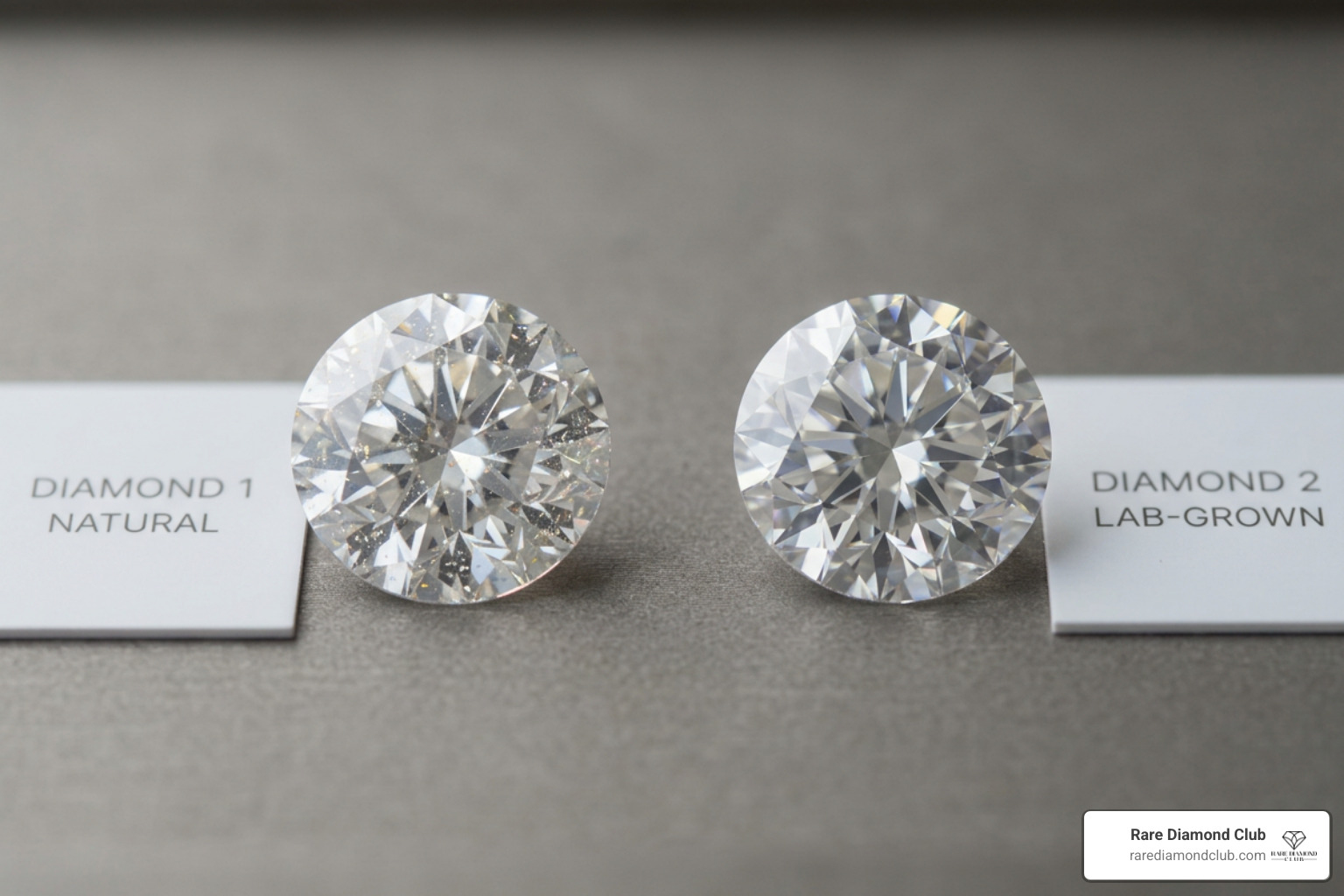
Diamond origin plays a central role in overall market valuation and pricing structures:
- Natural Diamonds: Formed under intense heat and pressure deep within the Earth over billions of years, natural diamonds carry profound geological rarity and enduring value. A 1 ct natural diamond necklace with excellent cut, color, and clarity represents a true investment-grade heirloom piece.
- Lab-Grown Diamonds: Created using advanced technological processes like Chemical Vapor Deposition (CVD) or High Pressure High Temperature (HPHT), lab-grown diamonds are chemically, physically, and optically identical to mined diamonds. Opting for a lab-grown diamond allows buyers to acquire a 1 ct size at a significantly lower cost compared to natural stones of equivalent specifications, freeing up budget for premium setting metals like platinum or higher color and clarity grades.
Buying Guide: Policies, Customization, and Care Best Practices
When buying a major jewelry piece online or in-store, reviewing the retailer's support policies ensures a safe, confident purchasing experience:
- Return and Exchange Guarantees: Look for clear, customer-friendly policies, such as a 90-day exchange policy, giving you full peace of mind if chain length, setting height, or overall style requires adjustment after trying it on.
- Shipping & Delivery: High-value fine jewelry items should always be dispatched via fully insured tracked shipping with signature requirements upon arrival. Standard delivery should ideally be complimentary for premium orders.
- Customization: At Rare Diamond Club, we specialize in custom, made-to-order designs using top-grade platinum and premium G/H VS diamonds. This allows you to tailor every facet of your piece—from bezel thickness to chain style—around your exact taste and lifestyle requirements.
To keep your pendant sparkling at its highest potential, establishing a regular maintenance routine is essential. Daily exposure to natural skin oils, hair products, soaps, and lotions creates a film behind the bezel or prongs, dulling the diamond's light reflection.
- Use dedicated precision cleaning tools like a fine brush cleaning pen for quick daily touch-ups on the go.
- Periodically soak the necklace in a mild cleaning solution or specialized foam kit formulated for gold and platinum to lift stubborn residue from under the basket.
- Avoid wearing your necklace during heavy exercise or while swimming in chlorinated pools, as chlorine can degrade gold alloys over time.
- For deeper care strategies and jewelry trends, read through our curated guides at Blogs News.
Frequently Asked Questions About Diamond Solitaire Necklaces
How does a 0.20ct diamond compare to a 1ct solitaire pendant?
A 0.20ct diamond measures roughly 3.8 mm in physical diameter, whereas a 1ct round brilliant diamond measures approximately 6.4 mm across. Although 1 ct is five times greater in mass, the visual surface area exposed to the eye increases by over 180%, turning a subtle accent piece into a bold, light-capturing focal point on the neckline.
Can I negotiate price or use financing for a 1ct diamond necklace?
Yes, reputable fine jewelers offer flexible financial structures to make luxury purchases seamless. These include interest-free installment plans, layby, and buy-now-pay-later services. Interactive negotiation tools (such as 'bidit' features on specialized digital platforms) also allow shoppers to submit custom offers directly on select inventory items.
How do I verify if my 1ct diamond is authentic and natural?
Always require your 1 ct center stone to be accompanied by a gemological grading certificate from an independent, globally recognized laboratory such as the GIA (Gemological Institute of America) or the IGI (International Gemological Institute). Authentic certified diamonds feature a microscopic laser inscription on the girdle that matches the unique serial number listed on the official report, verifiable under a jeweler's loupe.
Conclusion
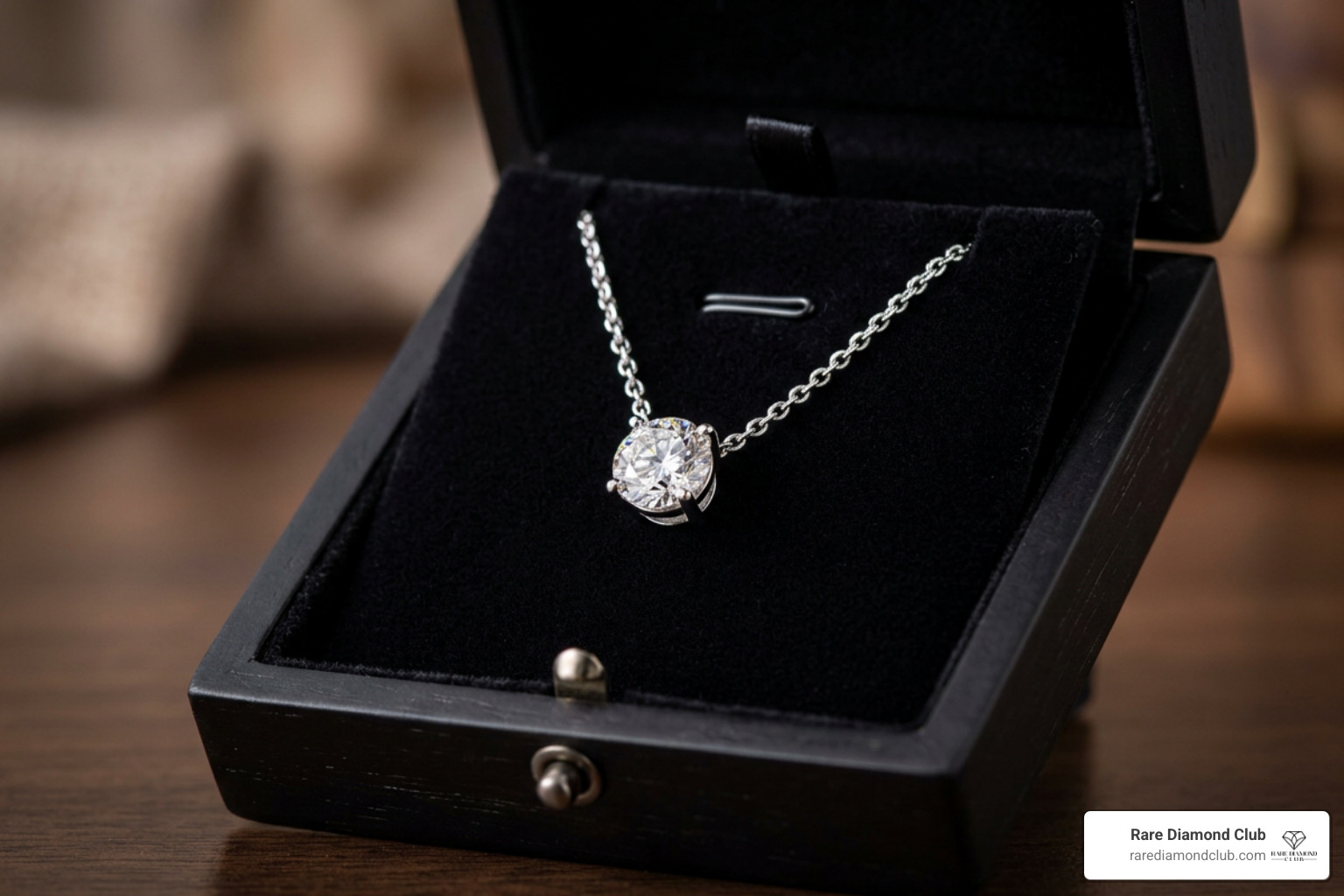
A 1 ct diamond solitaire necklace is a signature fine jewelry piece that delivers unmatched brilliance, elegance, and enduring value to any collection. Whether you prefer a modern, protective bezel setting in warm 18kt gold or a classic four-prong solitaire crafted in dense platinum, choosing the optimal balance of cut, clarity, and diamond origin guarantees a necklace that radiates brilliance for generations.
Ready to design or select your dream pendant? Discover how our artisan team crafts bespoke, made-to-order fine jewelry by visiting Explore Fine Diamond Solitaire Jewelry.